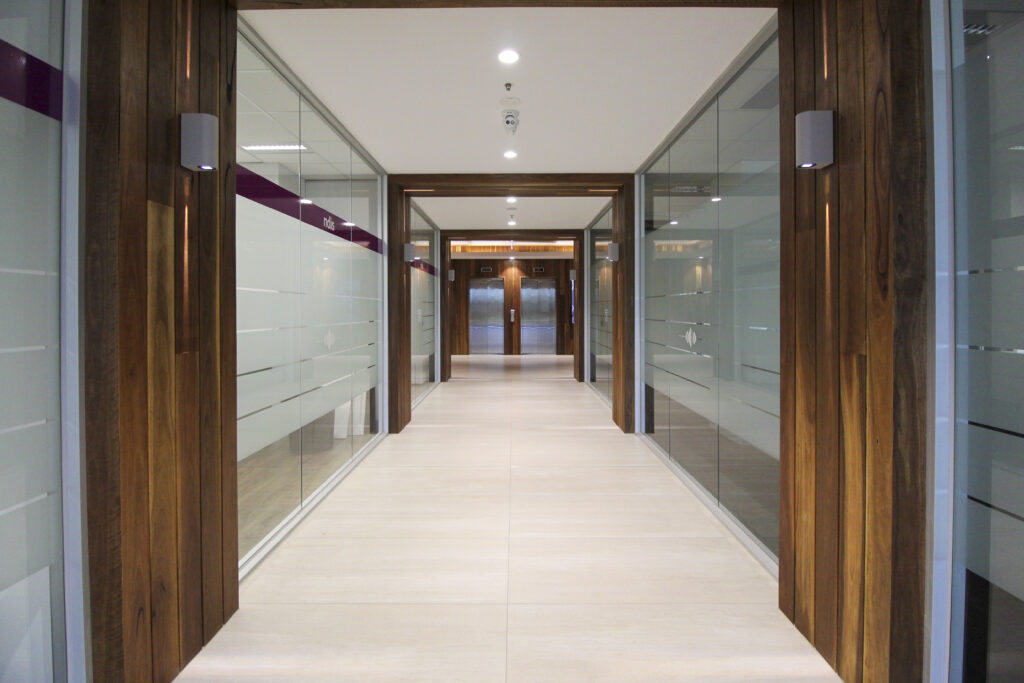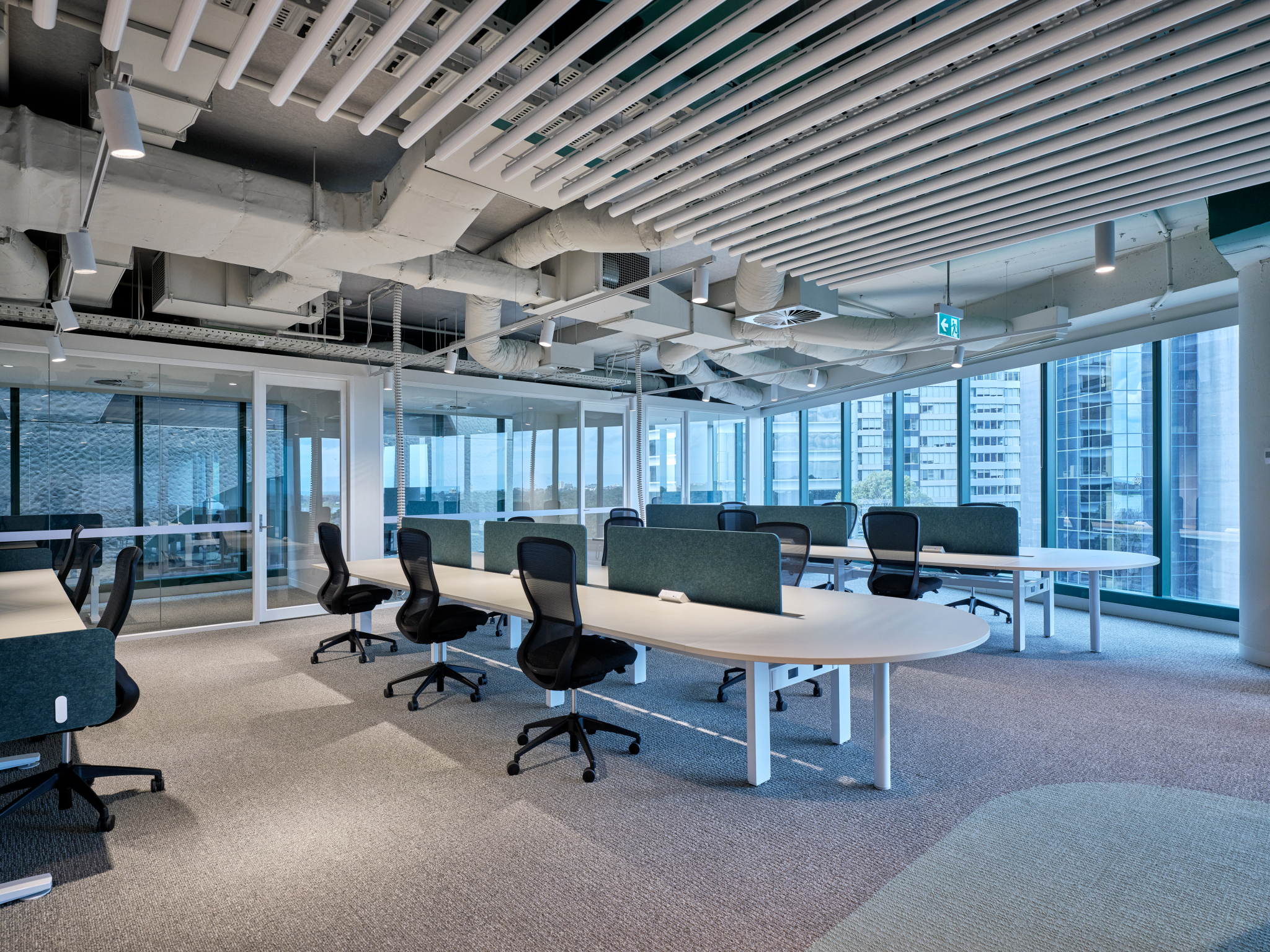
A successful commercial office fitout in Melbourne aligns workspace design with how a business actually operates, balancing functionality, brand identity, and future growth while staying on time and within budget.
Key Takeaways
- Success starts with a clear workplace strategy, not just design ideas
- Functionality should guide layout decisions before aesthetics
- Budget planning and cost control are critical from day one
- Collaboration between stakeholders reduces costly missteps
- Flexibility in design helps future-proof the workspace
Why Is Strategy the Foundation of a Successful Office Fitout?
It’s tempting to jump straight into layouts and finishes. Most businesses do. But without a clear strategy, even the most visually impressive office can fall short in practice.
Workplace strategy looks at how your team works day to day. Not just where people sit, but how they collaborate, where they need quiet, and what tools they rely on. This is especially important in commercial office fitouts in Melbourne, where hybrid working and evolving team structures are now standard.
If you explore how workplace planning is approached in more detail, this guide on defining and implementing workplace strategy highlights just how much impact early decisions can have later on.
Without that foundation, design becomes guesswork. And guesswork tends to get expensive.
How Does Design Influence Productivity and Performance?
Design is often seen as the visual layer, but it runs deeper than that. A well-designed office subtly shapes behaviour.
For example, natural light and open layouts can improve mood and energy. But too much openness, without quiet areas, can lead to distraction. It’s rarely about choosing one approach over another. It’s about balance.
In Melbourne offices, there’s been a noticeable shift towards activity-based working. Spaces are designed for specific tasks rather than fixed roles. It sounds simple, but it changes how people interact with their environment.
Over time, these design choices influence productivity, collaboration, and even retention. It’s not immediate. You don’t walk into a new office and suddenly everything improves. But gradually, the effects build.
What Role Does Budget Planning Play in Fitout Success?
Budget is where many projects either stay on track or slowly unravel.
A successful fitout doesn’t necessarily mean spending more. It means allocating resources where they matter most. That could be investing in acoustic treatments rather than premium finishes, or prioritising flexible layouts over fixed structures.
Several factors tend to shape the overall cost:
- Size and condition of the existing space
- Level of design customisation
- Technology and infrastructure requirements
- Compliance and building regulations
- Project timeline and constraints
Getting clarity early helps avoid difficult trade-offs later. Some businesses find it useful to explore rough estimates before committing, especially when expectations aren’t fully defined yet.
Why Is Choosing the Right Fitout Partner So Important?
Even with a solid plan, the outcome depends heavily on who delivers it.
A reliable partner does more than execute drawings. They guide decisions, flag potential issues early, and keep the project moving when things inevitably become complex.
It’s worth reviewing previous commercial fitout projects to understand how different providers approach challenges. You start to notice differences in detail, consistency, and overall execution.
There’s also the question of the delivery model. Some businesses still use traditional methods, separating design and construction. Others prefer a more integrated approach. If you’re weighing up options, this comparison of design and build vs traditional fitouts offers useful context.
Ultimately, trust and communication tend to matter just as much as technical capability.
What Are the Key Elements of a Successful Commercial Office Fitout?
While every project is different, certain elements consistently appear in successful outcomes.
- Clear project goals aligned with business objectives
- Thoughtful space planning based on real workflows
- Strong communication between all stakeholders
- Realistic timelines and budget expectations
- Flexibility for future growth and change
None of these are particularly surprising. But they’re often overlooked in the early stages when momentum builds quickly and decisions feel urgent.
Success usually comes from getting the basics right, then refining the details.
How Can You Avoid Common Office Fitout Mistakes?
Mistakes in fitouts are rarely dramatic. They’re usually small decisions that compound over time.
A layout that seemed logical on paper might feel awkward in practice. A rushed approval might lead to rework. These things happen more often than most expect.
Common issues include:
- Rushing the planning phase and skipping strategy
- Underestimating project timelines
- Prioritising aesthetics over usability
- Failing to account for future team growth
- Poor coordination between consultants and contractors
If you want a deeper look at where projects tend to go wrong, this guide on office fitout mistakes to avoid covers scenarios that come up repeatedly.
Being aware of these risks doesn’t eliminate them entirely. But it does make them easier to manage.
How Do Melbourne Trends Shape Commercial Office Fitouts?
Melbourne has its own approach to office design. It’s practical, but there’s usually an emphasis on experience as well.
Flexible workspaces continue to dominate. Businesses want offices that adapt as teams grow or shift. That might mean modular furniture, multi-purpose rooms, or layouts that can evolve without major structural changes.
There’s also a growing focus on wellbeing. Natural light, ventilation, and access to breakout areas are now expected rather than optional.
If you look across the broader commercial office sector, these trends reflect wider changes in how people think about work itself.
It’s less about where you sit, and more about how effectively you can work.
What Does a Successful Fitout Process Look Like?
A successful process feels structured but not rigid. There’s a clear direction, but also room to adapt as new information comes up.
Typically, it includes consultation, design development, documentation, and construction. Each phase feeds into the next, which is why early clarity matters so much.
Working with a team that offers end-to-end commercial fitout services can simplify coordination. Instead of managing multiple parties, you’re working with a single point of accountability.
That doesn’t remove all challenges. But it does reduce friction, which can make a noticeable difference over the course of a project.
Conclusion: Creating a Fitout That Actually Works
A successful commercial office fitout in Melbourne isn’t defined by how it looks on day one. It’s defined by how well it supports your business over time.
That might mean quieter spaces where people can focus. Or more collaborative zones that bring teams together. Often, it’s a mix of both, shaped by thoughtful planning and a clear understanding of how work happens.
The details matter, but they only work when built on a strong foundation. Strategy, communication, and realistic expectations tend to be the difference between a smooth project and a stressful one.
If you’re planning a commercial office fitout, it helps to work with a team that understands both design and delivery. You can learn more about their approach on the About page or start a conversation through the contact page.