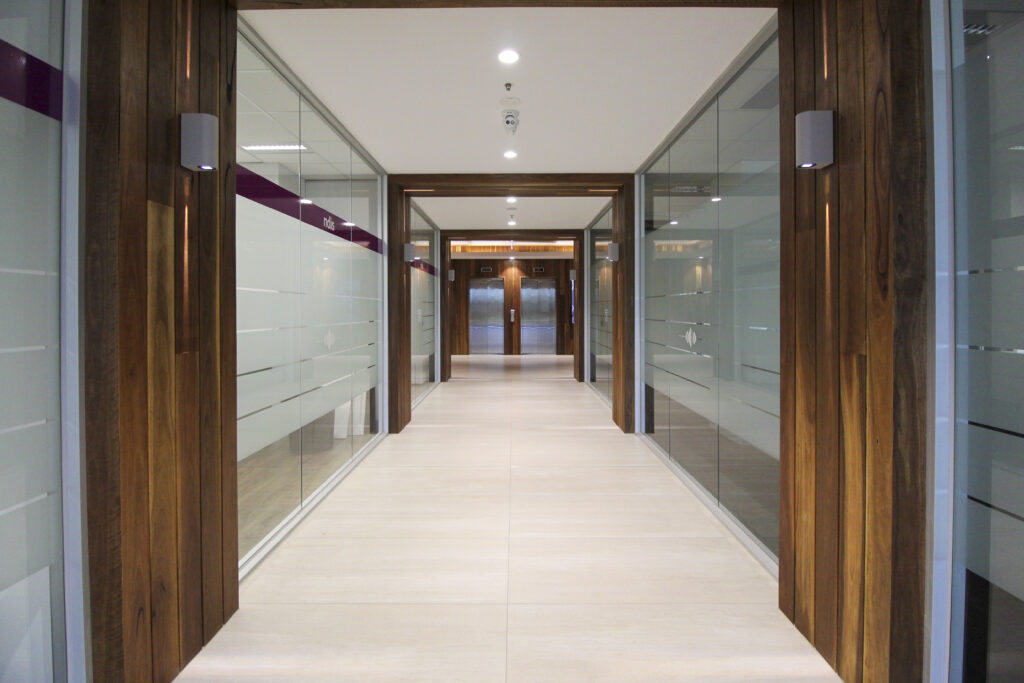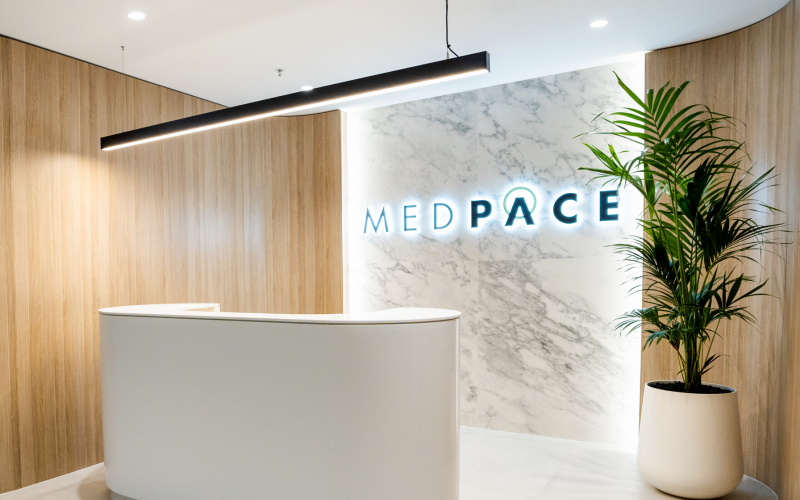
Sustainability is becoming a major priority in healthcare construction and medical fit outs across Melbourne. In 2026, healthcare providers are expected to focus more heavily on energy efficiency, wellness-centred design, environmentally responsible materials, and flexible healthcare spaces that support both patient care and long-term operational performance.
Key Takeaways
- Sustainable healthcare fit outs are becoming increasingly important across Melbourne
- Energy efficiency and smarter building systems are reducing long-term operational costs
- Wellness-focused healthcare design is shaping patient and staff experiences
- Environmentally responsible materials are influencing fit out decisions
- Flexible layouts support future healthcare growth and evolving technologies
- Working with an experienced medical fit out company helps deliver sustainable long-term outcomes
Why Sustainability Matters in Healthcare Construction
Healthcare facilities operate differently from standard commercial buildings. They consume significant amounts of energy, require strict environmental controls, and experience constant daily use. As a result, sustainability in medical environments is no longer simply about environmental responsibility. It also affects operational costs, patient wellbeing, and long-term building performance.
Healthcare providers are increasingly recognising that sustainable fit outs can improve efficiency while creating healthier spaces for both patients and staff. In Melbourne particularly, rising energy costs and growing environmental awareness are pushing many organisations to rethink how healthcare spaces are designed and built.
An experienced medical fit out company in Melbourne can help healthcare businesses integrate sustainable solutions from the earliest planning stages without compromising functionality or compliance.
How Is Energy Efficiency Shaping Medical Fit Outs in 2026?
Energy efficiency continues to be one of the biggest sustainability trends influencing healthcare construction. Medical facilities often operate extended hours with high energy demands from lighting, ventilation systems, specialist equipment, and temperature control requirements.
Even relatively small improvements in efficiency can create meaningful long-term savings.
Which Energy-Efficient Features Are Becoming More Common?
Healthcare fit outs in 2026 are increasingly incorporating:
- LED lighting systems with smart controls
- Motion sensor lighting in lower traffic areas
- High-performance insulation materials
- Energy-efficient HVAC systems
- Zoned heating and cooling solutions
- Smart energy monitoring technology
Ventilation systems are especially important in healthcare environments where air quality directly impacts patient comfort and infection control standards. Modern HVAC systems are now being designed to balance compliance, comfort, and sustainability more effectively than older systems.
Interestingly, many healthcare providers initially focus on upfront construction costs but later discover how much operational expenses can be reduced through smarter energy planning. It is one of those investments that tends to become more valuable over time.
Why Are Sustainable Materials Becoming More Important?
Material selection has become a major consideration in healthcare fit outs. Healthcare environments need surfaces and finishes that are durable, hygienic, and easy to maintain, but there is also growing demand for environmentally responsible alternatives.
Sustainable materials are no longer limited to niche design projects either. Many suppliers now offer healthcare-grade products with lower environmental impact while still meeting strict performance requirements.
What Sustainable Materials Are Being Used in Healthcare Spaces?
Medical fit outs are increasingly incorporating:
- Low VOC paints and adhesives
- Recycled or recyclable flooring materials
- Sustainably sourced timber products
- Durable low-maintenance wall finishes
- Energy-efficient glazing systems
- Locally manufactured materials where possible
Healthcare providers are also paying closer attention to material longevity. Products that require frequent replacement can increase both operational costs and environmental waste over time.
For organisations reviewing broader project planning strategies, Office Vision’s article on design and build project delivery highlights how integrated planning can improve efficiency throughout construction and fit out projects.
How Is Wellness-Centred Design Influencing Healthcare Spaces?
Healthcare environments are increasingly being designed around human experience rather than purely clinical functionality. Wellness-centred design has become a major trend influencing medical fit outs in Melbourne, particularly as patient expectations continue to evolve.
People tend to feel more comfortable in spaces that feel calm, welcoming, and thoughtfully designed. This applies to healthcare staff as well. Long shifts in stressful environments can contribute to fatigue and burnout if the workplace itself feels harsh or overwhelming.
What Features Support Wellness-Focused Healthcare Design?
Several design elements are becoming more common in modern healthcare fit outs:
- Increased access to natural light
- Acoustic treatments to reduce noise
- Softer colour palettes and natural textures
- Comfortable waiting and breakout spaces
- Improved indoor air quality systems
- Flexible consultation environments
There has also been growing attention on biophilic design principles within healthcare settings. Incorporating greenery, natural materials, and visual connection to outdoor spaces can subtly improve how people experience the environment.
Some healthcare providers once viewed these features as secondary design extras. Now they are often considered essential parts of creating supportive healthcare spaces.
Businesses exploring long-term workplace strategy can also benefit from Office Vision’s workplace consultancy services when aligning sustainability goals with operational requirements.
Why Flexibility Is Becoming Essential in Medical Fit Outs
Healthcare delivery continues to evolve rapidly. Technology changes, patient expectations shift, and healthcare providers often expand services over time. As a result, flexible healthcare design is becoming increasingly important in 2026.
Rigid layouts that only support current operations can quickly become limiting. Flexible fit outs allow healthcare organisations to adapt more easily without major disruptions or costly renovations.
Which Flexible Design Features Are Trending?
Modern healthcare fit outs are increasingly incorporating:
- Adaptable consultation rooms
- Modular furniture systems
- Expandable technology infrastructure
- Multi-purpose clinical spaces
- Flexible storage systems
- Scalable staff workstations
Flexibility also supports long-term sustainability by extending the lifespan of the fit out itself. A space that can evolve with the business is less likely to require complete refurbishment in just a few years.
Office Vision’s project delivery process focuses on creating practical spaces that can support both current operational needs and future growth.
How Technology Is Supporting Sustainable Healthcare Construction
Technology is playing a larger role in sustainable healthcare environments than many people perhaps expected a few years ago. Smart building systems now allow healthcare operators to monitor and optimise energy usage, lighting, air quality, and occupancy levels more efficiently.
Digital integration is also helping healthcare providers reduce paper waste and improve operational workflows.
Which Technologies Are Influencing Sustainable Fit Outs?
Emerging healthcare fit out technologies include:
- Smart lighting automation
- Occupancy sensors
- Digital patient check-in systems
- Energy management platforms
- Touchless fixtures and fittings
- Smart climate control systems
Some of these technologies improve sustainability directly through energy savings, while others contribute more indirectly by improving operational efficiency and reducing waste.
Healthcare spaces are becoming increasingly interconnected environments rather than simply physical rooms with medical equipment placed inside them.
What Should Healthcare Providers Consider Before Starting a Sustainable Fit Out?
Sustainable healthcare construction works best when sustainability goals are integrated from the beginning rather than added later in the process.
A successful project usually starts with understanding how the space will function daily, what long-term operational goals exist, and where future flexibility may be needed. Early planning also helps avoid expensive redesigns or compliance issues later.
Questions to Ask Before Starting a Medical Fit Out
Before beginning a healthcare fit out project, organisations should consider:
- How can energy efficiency be improved long term?
- Which materials offer the best balance of durability and sustainability?
- Will the layout support future growth?
- How can staff wellbeing be improved through design?
- What technologies should be integrated from the outset?
- How will the project meet healthcare compliance standards?
Healthcare projects involve many interconnected decisions, and sustainability often overlaps with functionality, budgeting, and operational performance more than people initially expect.
Businesses planning healthcare projects in Melbourne may also find value in reviewing Office Vision’s common fit out mistakes guide before beginning the design process.
Build a Sustainable Healthcare Space for the Future
Sustainability trends in healthcare construction and medical fit outs are continuing to evolve as healthcare providers focus more heavily on efficiency, wellbeing, and long-term operational performance.
In 2026, sustainable healthcare design is no longer simply about reducing environmental impact. It is about creating practical, adaptable, and supportive environments that improve experiences for patients, staff, and healthcare operators alike.
Working with an experienced medical fit out company in Melbourne can help ensure sustainability is integrated thoughtfully throughout the entire project lifecycle.
To learn more about Office Vision’s healthcare expertise, or contact the team directly through the Contact page to discuss your upcoming healthcare construction or medical fit out project.