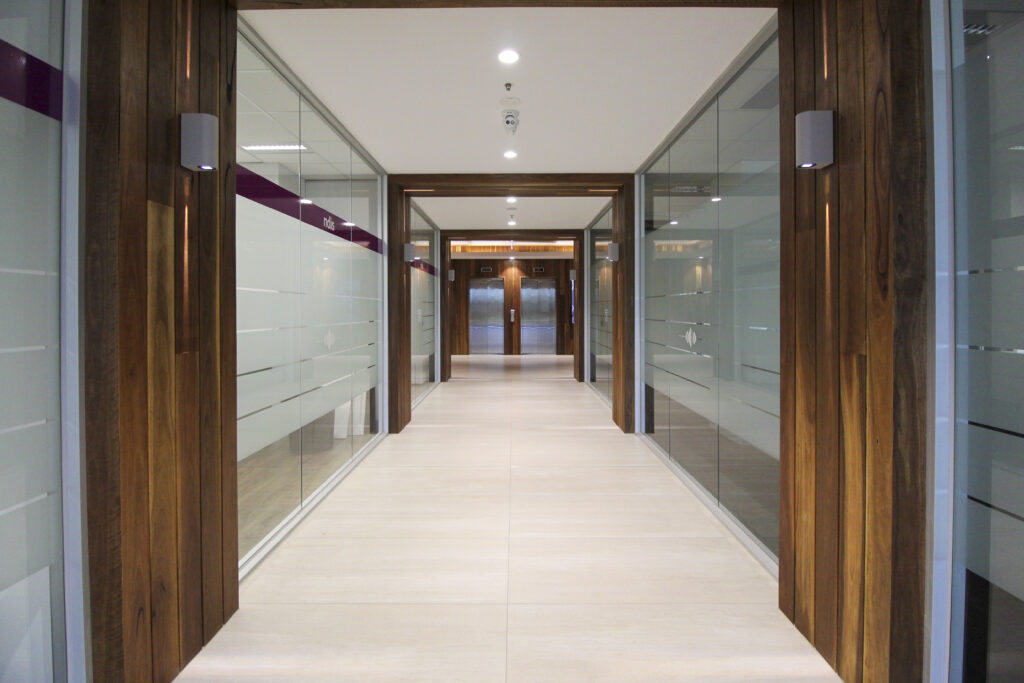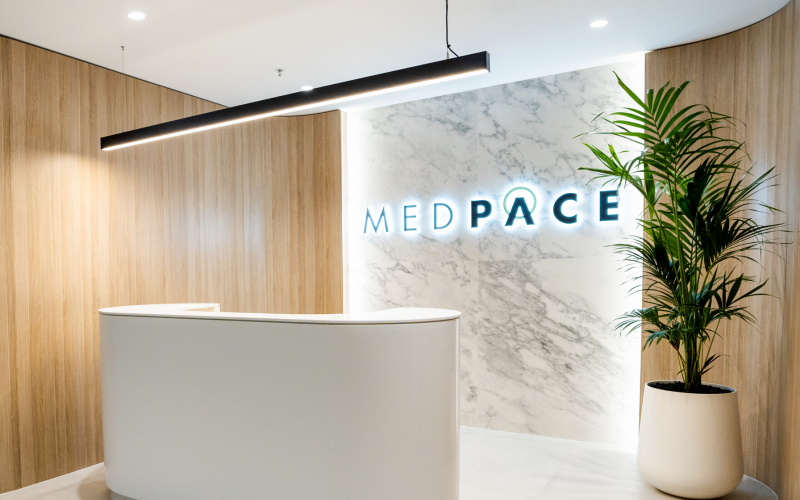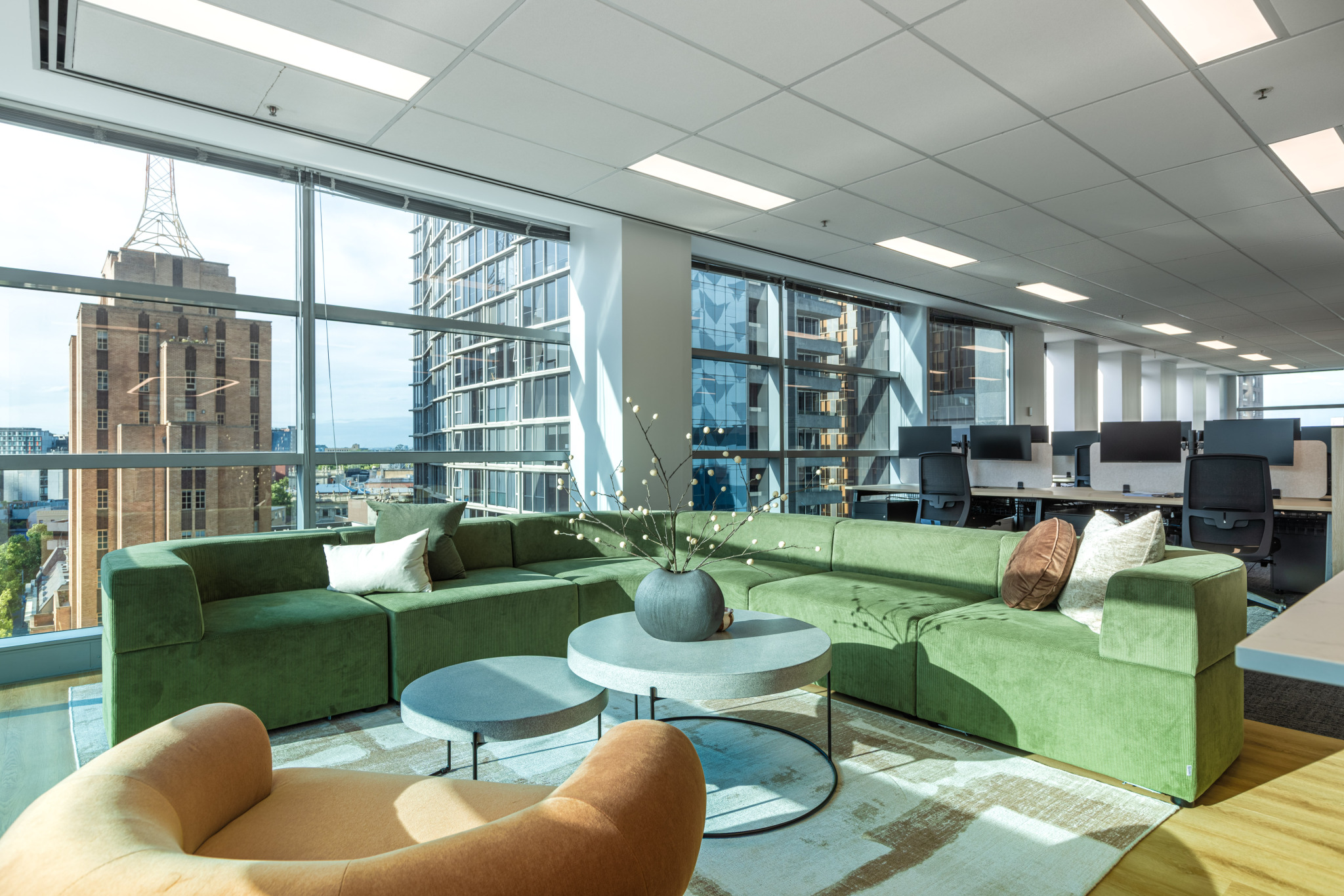
Office interior fitouts in Melbourne improve productivity by creating functional, comfortable, and well-designed environments that support how teams work, collaborate, and focus.
Key Takeaways
- Interior fitouts directly impact employee productivity and wellbeing
- Strategic layouts improve workflow and efficiency
- Lighting, acoustics, and furniture influence performance
- Collaboration spaces and quiet zones must be balanced
- A well-planned fitout aligns with business goals and future growth
Why Office Interior Fitouts Matter for Productivity
Office interior fitouts are more than just design upgrades. They shape how people interact with their workspace every day. A poorly designed office can lead to distractions, inefficiencies, and disengagement, while a well-planned environment supports focus and collaboration.
A strong office interior fitouts Melbourne approach ensures your space is tailored to your team’s needs. From layout to finishes, every element plays a role in how effectively your workplace performs.
Melbourne businesses are increasingly investing in interior fitouts to stay competitive, attract talent, and create environments that support high performance.
The Link Between Office Design and Productivity
Workplace design has a measurable impact on how employees perform. Factors such as layout, lighting, and noise levels all influence concentration and efficiency.
An effective interior fitout considers:
- How teams move through the space
- Where collaboration happens
- Areas that require focus and minimal distraction
- Access to natural light and ventilation
By aligning design with real work patterns, businesses can remove friction and create a smoother workflow across the office.
Key Elements of a Productive Office Interior Fitout
A successful fitout brings together multiple design elements that work cohesively to support productivity.
Layout and Space Planning
Efficient layouts reduce wasted space and improve movement throughout the office. Open areas should encourage collaboration, while quieter zones support focused work.
Lighting Design
Natural light is one of the most important factors in workplace productivity. Where natural light is limited, high-quality artificial lighting can reduce eye strain and fatigue.
Acoustic Control
Noise is a common issue in modern offices. Acoustic treatments such as panels, carpets, and partitions help minimise distractions and improve concentration.
Ergonomic Furniture
Comfortable, adjustable furniture supports employee wellbeing and reduces the risk of injury, leading to better long-term performance.
Creating Spaces for Different Work Styles
Modern workplaces need to support a variety of work styles. Not all employees work the same way, and a one-size-fits-all approach is no longer effective.
A productive office typically includes:
- Quiet zones for deep focus
- Open collaboration areas
- Meeting rooms for structured discussions
- Informal breakout spaces
Balancing these environments allows employees to choose the space that best suits their task, improving both efficiency and satisfaction.
Designing for Collaboration Without Distraction
Collaboration is essential, but it must be carefully balanced with the need for focus. Poorly designed open offices can lead to constant interruptions and reduced productivity.
To create effective collaboration spaces:
- Use designated areas for group work
- Incorporate sound-absorbing materials
- Provide private meeting rooms
- Use flexible furniture that adapts to different team sizes
For more insights on improving teamwork in your workplace, explore collaborative work environments.
The Role of Workplace Strategy in Interior Fitouts
A productive office starts with a clear strategy. Interior design decisions should be based on how your business operates, not just visual preferences.
A strong workplace strategy considers:
- Team structure and workflows
- Space utilisation data
- Future growth plans
- Company culture and brand identity
Understanding these factors ensures your fitout delivers long-term value. Learn more about aligning design with business goals through workplace strategy.
Budgeting for Office Interior Fitouts
Cost is a key consideration in any fitout project. A well-planned budget ensures you can achieve your goals without overspending.
Factors that influence cost include:
- Size of the space
- Quality of materials and finishes
- Level of customisation
- Technology integration
Using tools like the office fitout cost calculator can help you estimate your investment and plan more effectively.
Common Productivity Mistakes in Office Fitouts
Even well-intentioned fitouts can fall short if key factors are overlooked. Avoiding common mistakes is essential for achieving the desired outcome.
Common issues include:
- Overcrowded layouts that limit movement
- Lack of quiet spaces for focused work
- Poor lighting and ventilation
- Ignoring employee feedback during planning
- Designing for aesthetics rather than functionality
Addressing these challenges early in the process can significantly improve the effectiveness of your workspace.
The Importance of a Structured Fitout Process
A successful interior fitout requires careful planning and execution. Working with a team that follows a clear fitout process ensures your project stays on track from start to finish.
Benefits of a structured approach include:
- Clear timelines and milestones
- Better communication between stakeholders
- Reduced risk of delays and cost overruns
- Consistent quality across all stages
This level of organisation is essential for delivering a workspace that meets both design and performance goals.
Future Trends in Office Interior Fitouts
Office interior fitouts in Melbourne continue to evolve as businesses adapt to new ways of working. Emerging trends are focused on flexibility, technology, and employee experience.
Key trends include:
- Hybrid-friendly layouts with shared workspaces
- Increased use of natural materials and greenery
- Smart technology integration
- Multi-purpose spaces that adapt to different needs
Staying ahead of these trends ensures your office remains relevant and effective in the long term.
Conclusion: Designing for Productivity and Growth
Office interior fitouts play a critical role in shaping workplace performance. By focusing on layout, comfort, and functionality, businesses can create environments that support both productivity and employee wellbeing.
A strategic approach ensures your office is not only visually appealing but also practical and future-ready.
Ready to Upgrade Your Office Interior?
If you are planning an office interior fitout in Melbourne, working with an experienced team can help you achieve the best results. Learn more About Office Vision or contact our team to start creating a workspace that supports your success.