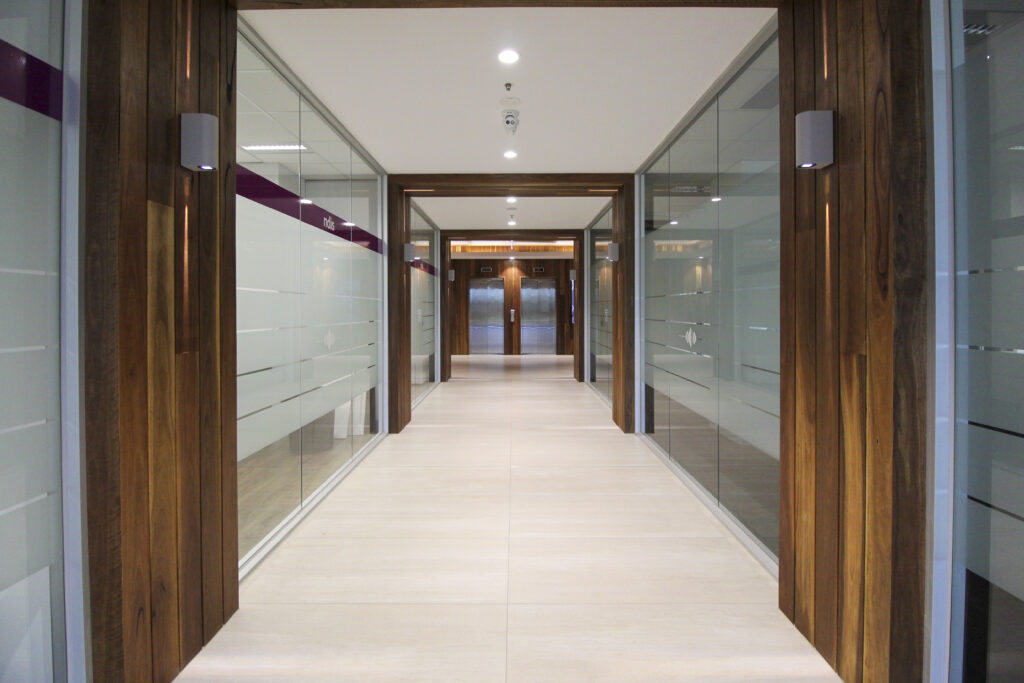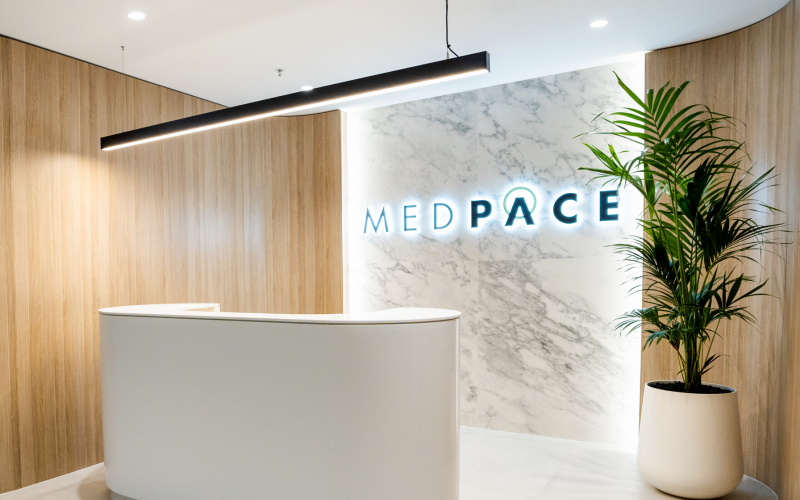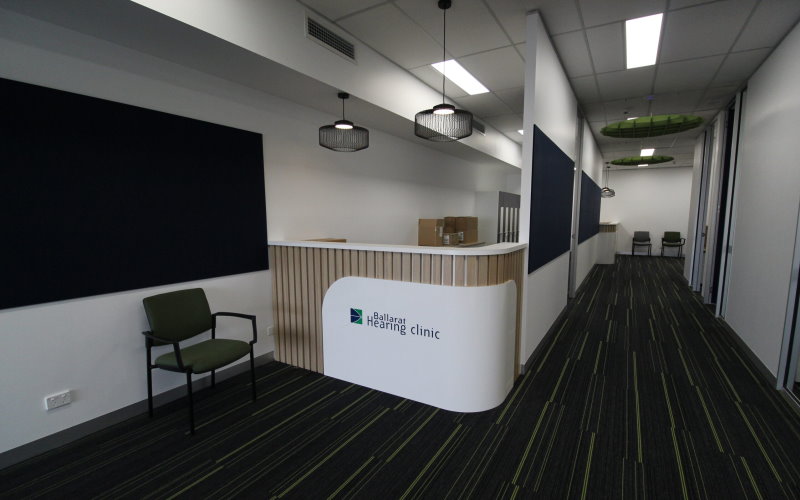
A successful medical centre fit out in Melbourne needs to do more than look professional. It should support patient comfort, improve staff efficiency, meet healthcare compliance standards, and allow your practice to grow over time. From layout planning through to construction and finishes, every decision can impact the daily experience of patients and healthcare professionals alike.
Key Takeaways
- A well-planned medical fit out improves workflow, patient experience, and operational efficiency
- Compliance with Australian healthcare standards should be considered from the beginning
- Layout design plays a major role in privacy, accessibility, and staff productivity
- Material selection matters for hygiene, durability, and maintenance
- Budget planning should include future growth and technology integration
- Working with experienced healthcare fit out specialists reduces project risks
Why Is a Medical Centre Fit Out Different From a Standard Commercial Fit Out?
Medical spaces operate differently from standard office environments. Patient privacy, infection control, accessibility requirements, and clinical workflows all need to be carefully considered during the design and construction process.
Unlike traditional workplaces, healthcare environments need to balance functionality with reassurance. Patients often arrive feeling anxious or unwell, so the space needs to feel calm, organised, and easy to navigate. At the same time, doctors, nurses, and administrative staff require efficient layouts that support daily operations without unnecessary movement or bottlenecks.
Office Vision’s specialised medical fit out services are designed to help Melbourne healthcare providers create spaces that work practically while maintaining a welcoming patient experience.
What Should You Consider Before Starting a Medical Centre Fit Out in Melbourne?
Before construction begins, there are several important planning factors that can influence the success of the project.
How Will the Space Support Patient Flow?
Patient flow often determines how comfortable and efficient a clinic feels. A poorly designed waiting area or consultation room layout can create congestion, noise, and frustration.
Think about how patients move through the practice from arrival to departure. Reception placement, waiting areas, consultation rooms, pathology zones, and staff-only spaces should connect logically. Even small adjustments in corridor width or room positioning can make a noticeable difference in day-to-day operations.
Healthcare providers in Melbourne are increasingly prioritising layouts that reduce patient stress while improving staff efficiency. It sounds obvious perhaps, but patients notice when a clinic feels calm and intuitive.
What Compliance Requirements Apply to Medical Fit Outs?
Healthcare spaces in Australia must comply with a range of building regulations, accessibility standards, and health requirements. Depending on the type of practice, this may include:
- Disability access compliance
- Infection control requirements
- Ventilation and air quality standards
- Fire safety regulations
- Acoustic privacy considerations
- Clinical waste management requirements
Compliance issues can become expensive if addressed too late in the project. This is why many healthcare providers choose integrated design and construction teams that understand medical environments from the beginning.
For practices evaluating different delivery methods, Office Vision’s article on design and build vs traditional project delivery offers useful insight into how streamlined project management can reduce delays and miscommunication.
How Important Is Interior Design in a Medical Centre?
Interior design has a surprisingly strong influence on patient perception. People often form opinions about a clinic within seconds of entering the space.
Modern medical fit outs in Melbourne are moving away from overly clinical environments. Instead, many practices are adopting softer finishes, natural lighting, calming colour palettes, and more comfortable waiting areas. The goal is to create an environment that feels professional without feeling cold.
Which Design Features Improve Patient Experience?
Several design choices can positively affect patient comfort and staff wellbeing:
- Natural lighting where possible
- Comfortable and durable seating
- Acoustic treatments for privacy
- Clear signage and wayfinding
- Warm but hygienic material finishes
- Dedicated quiet areas for sensitive discussions
Good healthcare design also considers emotional responses. A crowded reception desk, harsh lighting, or noisy waiting room can subtly increase patient anxiety. It is not always dramatic, but people remember how a space made them feel.
Practices looking to modernise their workplace strategy often benefit from professional interior design services that combine aesthetics with operational functionality.
How Can You Plan a Medical Fit Out Budget Effectively?
Budgeting for a medical centre fit out involves more than estimating construction costs. Healthcare spaces often require specialised services, custom joinery, upgraded mechanical systems, and technology integration that can influence overall costs significantly.
One challenge many clinic owners face is balancing immediate budget constraints with long-term operational needs. Choosing lower-cost finishes upfront may lead to higher maintenance costs later. On the other hand, overspending in areas patients rarely interact with may not provide meaningful value.
What Factors Influence Medical Fit Out Costs?
Medical fit out costs can vary depending on several factors:
- Practice size and floorplan complexity
- Existing building condition
- Specialist medical equipment requirements
- HVAC and ventilation upgrades
- Custom cabinetry and storage needs
- Compliance and certification requirements
- Technology and communications systems
Melbourne healthcare providers often use early planning workshops to better understand project scope before construction begins. Office Vision’s space cost calculator can help businesses gain an early indication of potential project investment ranges.
Why Does Workflow Matter in Healthcare Design?
Efficient workflow design affects almost every aspect of a medical practice. Staff productivity, appointment scheduling, patient wait times, and even workplace morale are all connected to how the environment functions.
A common issue in older clinics is fragmented layouts. Staff may need to walk long distances between treatment rooms, storage areas, and reception. Over time, these inefficiencies add up.
How Can Layout Design Improve Staff Efficiency?
Well-designed healthcare spaces usually include:
- Logical zoning between public and clinical areas
- Convenient access to medical supplies
- Adequate staff breakout spaces
- Consultation rooms positioned for privacy
- Efficient circulation paths for staff movement
There is also a growing focus on staff wellbeing within medical environments. Burnout in healthcare settings is a real concern, and workplace design can play a role in reducing stress where possible. Even something as simple as natural light in staff areas can improve daily working conditions.
Healthcare businesses exploring broader workplace planning may also find value in Office Vision’s approach to workplace consultancy services for aligning space strategy with operational goals.
What Materials Work Best in Medical Centre Fit Outs?
Material selection in healthcare design needs to balance hygiene, durability, and appearance. Unlike standard office spaces, medical centres experience heavy foot traffic and frequent cleaning throughout the day.
Some materials may look attractive initially but wear quickly under healthcare conditions. Others might be durable but create an overly sterile atmosphere that feels unwelcoming.
Which Materials Are Commonly Used in Healthcare Spaces?
Medical fit outs commonly include:
- Antimicrobial surfaces
- Durable vinyl flooring
- Acoustic ceiling systems
- Moisture-resistant joinery
- Easy-clean wall finishes
- Non-slip flooring materials
The challenge is finding materials that remain practical without making the clinic feel overly institutional. Increasingly, Melbourne medical practices are blending commercial-grade durability with warmer finishes to create more approachable healthcare environments.
How Long Does a Medical Centre Fit Out Take?
Project timelines vary depending on the size and complexity of the fit out. Smaller refurbishments may take several weeks, while larger medical centres can require several months from planning to completion.
The process generally includes:
- Discovery and consultation
- Concept design and space planning
- Budget development
- Documentation and approvals
- Construction and fit out
- Final handover and compliance checks
Delays can occur if approvals, landlord requirements, or design decisions are not addressed early. This is why many healthcare providers prefer a structured project delivery process from the outset.
Office Vision outlines its project methodology clearly through its fit out process page, helping clients understand each project phase before work begins.
Why Is Future Growth Important in Medical Fit Out Planning?
Many clinics outgrow their original layouts faster than expected. A fit out should not only support current operations but also accommodate future expansion where possible.
Perhaps additional practitioners may join the practice later. Maybe consultation rooms will need technology upgrades in a few years. Flexible layouts and adaptable infrastructure can make future changes easier and more cost-effective.
Healthcare trends also continue to evolve. Telehealth integration, digital check-ins, and changing patient expectations are influencing how modern clinics are designed. Future-focused planning helps practices avoid expensive redesigns later on.
Create a Medical Centre That Supports Patients and Staff
A medical centre fit out in Melbourne is more than a construction project. It is an investment in patient experience, staff wellbeing, operational efficiency, and long-term business growth.
The most effective healthcare environments balance compliance, functionality, and human-centred design in a way that feels seamless to patients walking through the door. When the layout works well, people often notice without quite knowing why.
If you are planning a healthcare project, Office Vision can help guide the process from strategy through to delivery. Learn more about the team on the About Us page or get in touch through the Contact page to discuss your medical fit out requirements in Melbourne.